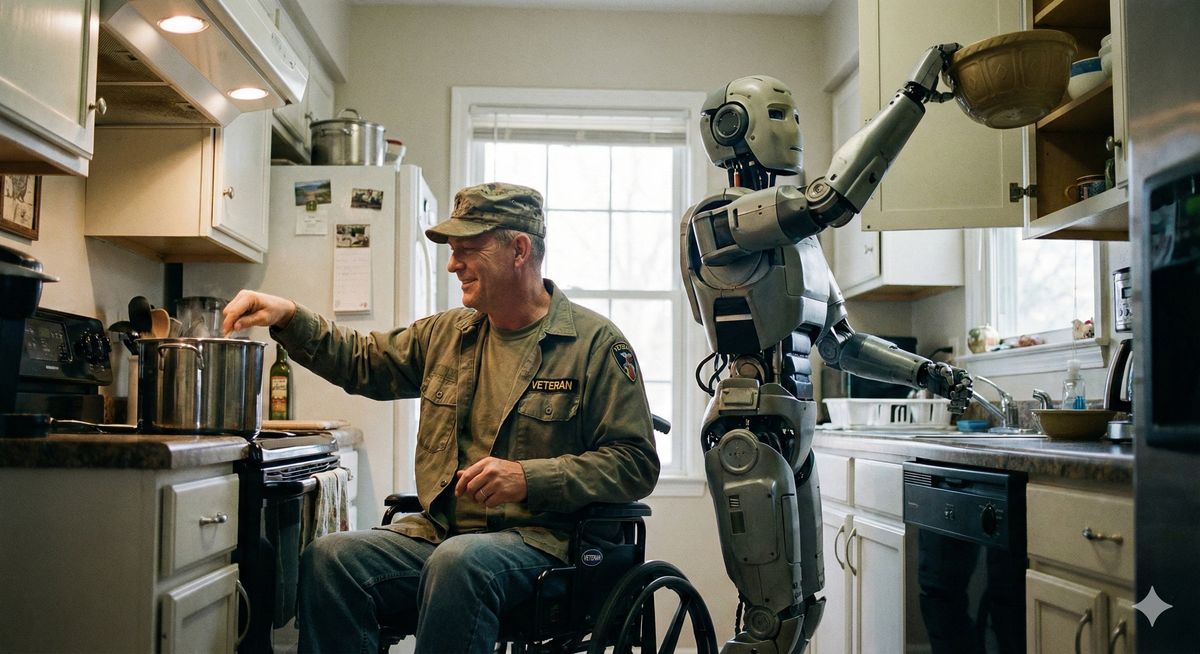
The robots are coming. Not in the way science fiction warned us—not as conquerors or replacements, but as helpers. Humanoid machines that can fold laundry, wash dishes, tidy a living room. The kind of mundane, physical tasks that most of us take for granted.
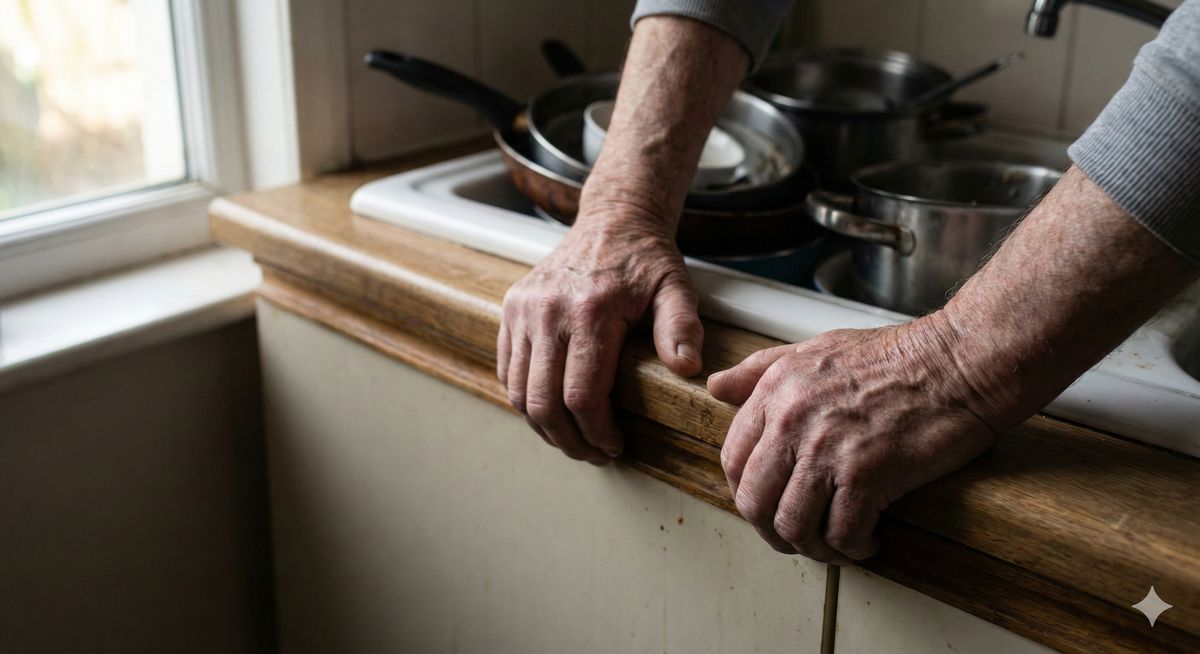
For a 78-year-old widow with arthritis, these tasks aren't mundane. They're barriers. For a single mother working two jobs, they're hours she doesn't have. For a veteran adjusting to life with limited mobility, they're daily reminders of what's been lost.
This is the gap Rhea Impact was created to close.
"The most advanced robots in the world are being built for people who need them least. We want to change who gets access."
— Daniel Shanklin, Founder
The premise is simple
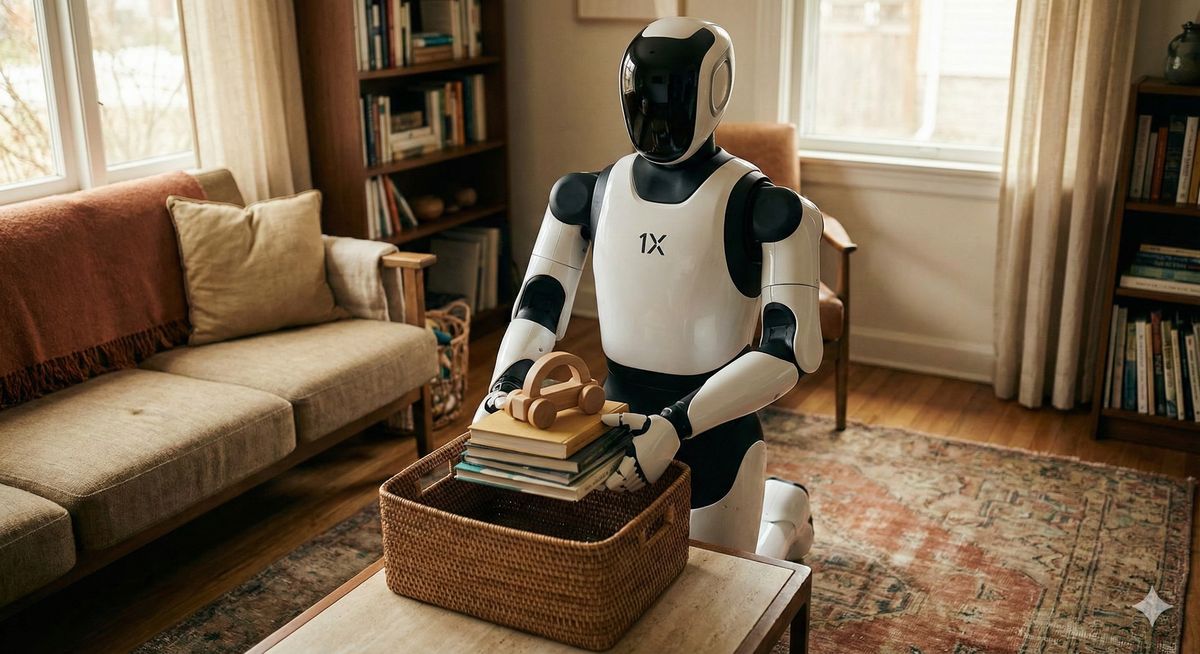
We acquire humanoid robots—starting with the 1X Neo, a general-purpose machine capable of household tasks—and place them in homes across Dallas-Fort Worth. Not as products to sell. As resources to share.
The model works like this: robots are donated into the organization, then deployed to recipients who apply and qualify. A volunteer network handles the logistics—transporting robots between homes, providing setup and training, troubleshooting issues. Between deployments, volunteers can use the robots themselves. Everyone benefits.
Who this is for
We're starting with three groups:
Seniors aging in place
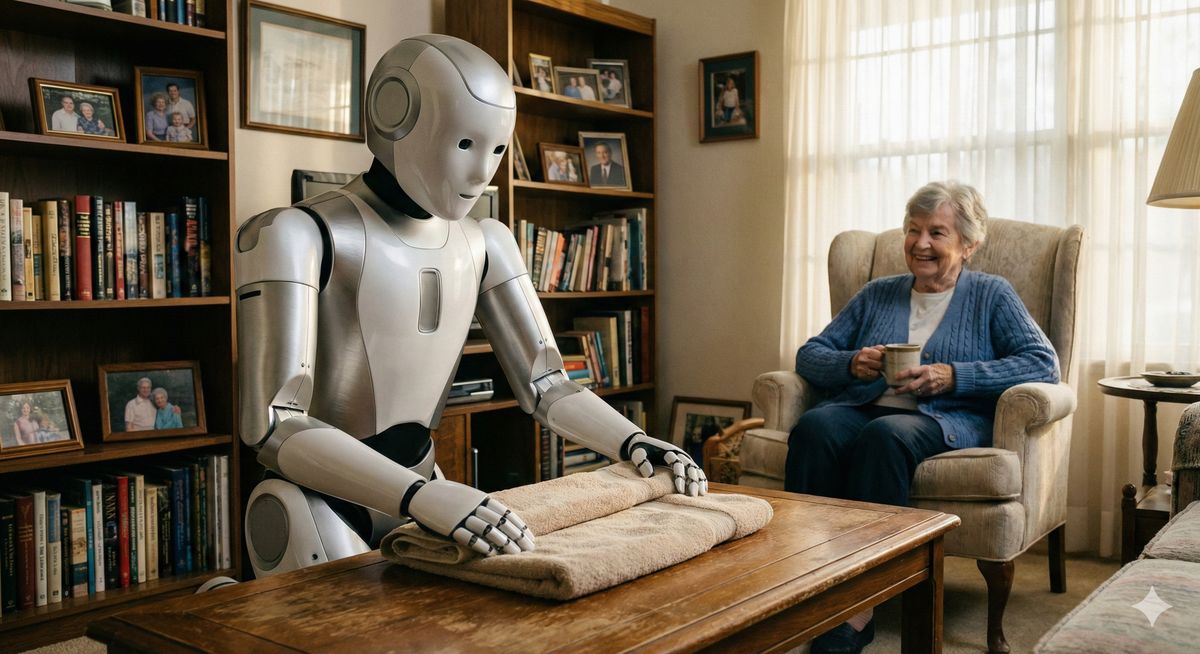
Adults who want to stay in their homes but struggle with physical maintenance. A robot that handles cleaning and organization can extend independence by years—and delay or prevent the move to assisted living that many dread.
Single parents
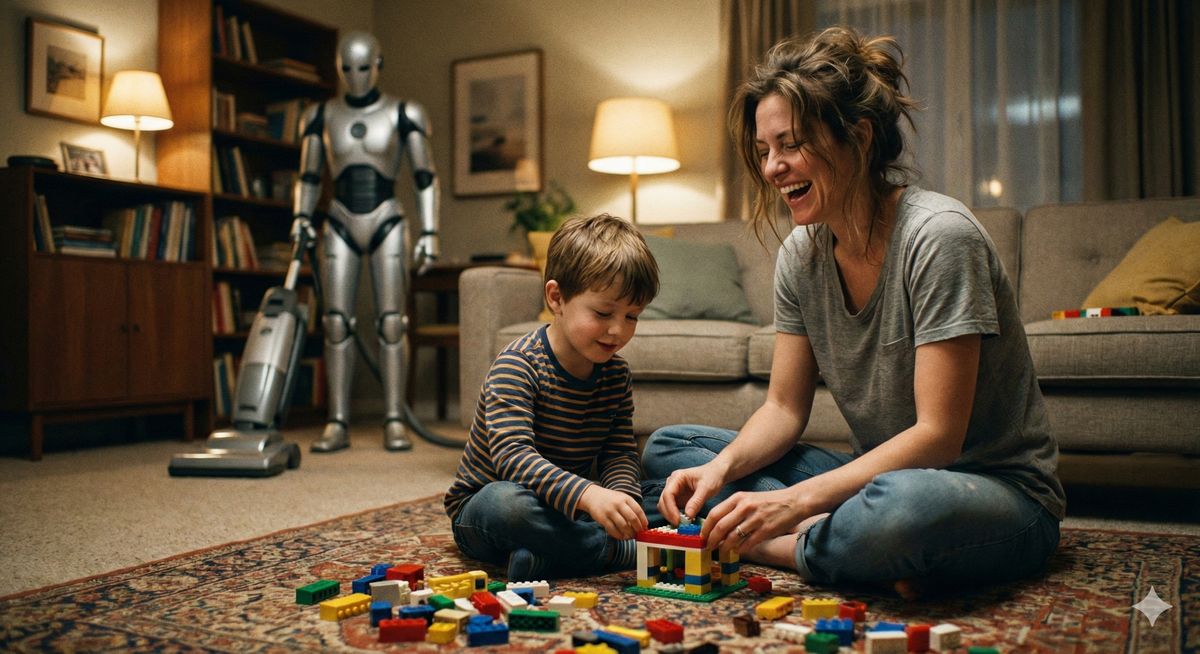
Time is the scarcest resource. A parent working multiple jobs doesn't need another app or service—they need physical help with the house so they can spend their limited hours with their kids, not their dishes.
People with mobility limitations
Veterans, accident survivors, people with chronic conditions. Those for whom the physical world has become harder to navigate. A robot that handles household tasks isn't a luxury—it's a restoration of capability.
53M
Americans provide unpaid care to family members
$600B
Value of unpaid caregiving annually in the U.S.
70%
Of seniors will need long-term care at some point
Why Dallas-Fort Worth
We're starting where we are. Rhea Impact is based in Fort Worth, and building a volunteer network requires local relationships. DFW is also one of the fastest-growing metros in the country, with a mix of demographics that represents the broader challenge: aging suburbs, working-class neighborhoods, a veteran population, and increasing economic stratification.
If the model works here, it can work anywhere.
The honest uncertainties
This is an experiment. We don't know if recipients will adapt quickly or need extensive support. We don't know if the volunteer model scales. We don't know how robots will perform in diverse home environments over extended periods.
What we do know: the only way to answer these questions is to start. To place the first robot, learn from what happens, and iterate.
"The best time to figure out how to democratize this technology is before it's everywhere—not after."